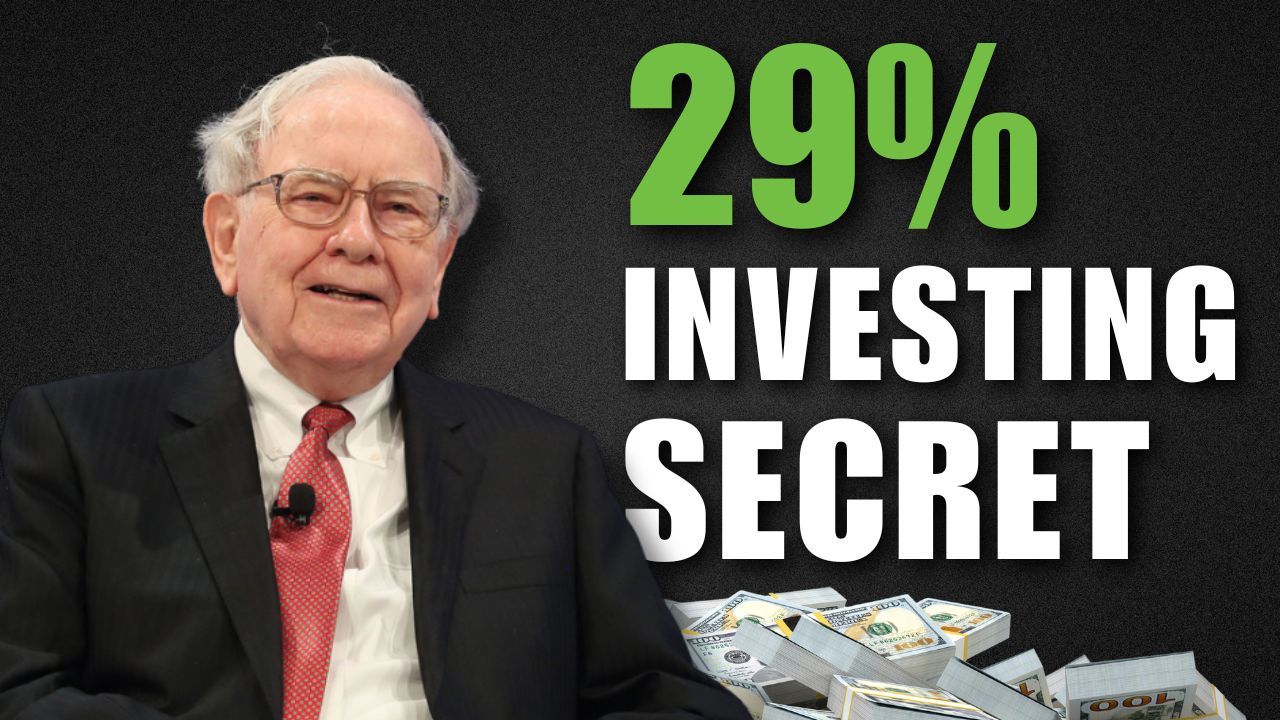
The Warren Buffett 29% Investing Blueprint — And Why Real Estate Is the Perfect System
When people hear the phrase “Warren Buffett’s 29% account,” it sounds like some secret financial product available only to the ultra-wealthy.
But the reality is much more practical — and much more powerful.
Buffett didn’t open a special account. What he built was a compounding system. In his early partnership years from 1957 to 1969, Buffett generated average annual returns approaching 29% before fees. That wasn’t luck. It was the result of a disciplined strategy built around productive assets, reinvestment, and time.
And here’s the interesting part: while Buffett used stocks and operating businesses, real estate may be the most accessible way for everyday investors to apply the same principles.
For investors who are thinking seriously about retirement, family security, and long-term financial stewardship, real estate provides a framework that can mirror Buffett’s compounding approach surprisingly well.
But it requires more than simply buying property.
It requires a system.
Understanding the Real Meaning of Buffett’s 29%
The famous 29% figure often gets misunderstood.
Buffett was not promising investors a specific return. Instead, he focused on buying productive assets at a discount, improving them, and reinvesting profits repeatedly.
Three principles defined his approach:
Buy productive assets
Improve operational performance
Reinvest profits for compounding growth
Over decades, that system created one of the most powerful wealth-building engines in history.
The key idea is simple:
Wealth grows through disciplined compounding.
And real estate provides several structural advantages that make this possible.
Why Real Estate Is the Ideal Compounding Vehicle
Unlike many investments, real estate offers multiple ways to generate returns at the same time.
Investors can benefit from:
• Cash flow from rent
• Property appreciation
• Tax advantages such as depreciation
• Leverage from financing
• Value creation through operational improvements
This combination creates a powerful feedback loop.
When a property generates income, that income can be reinvested into additional properties. Each new acquisition expands the portfolio’s earning capacity, creating a snowball effect similar to Buffett’s reinvestment strategy.
However, achieving this requires structure and discipline.
That’s where what we call the One Door Control System becomes important.
The One Door Control System
One of the biggest mistakes investors make is trying to do everything themselves.
Real estate investing is not a solo sport. It is a team business.
The One Door Control System focuses on maintaining strategic control of assets while building a professional team of operators who help scale the portfolio responsibly.
This team typically includes:
• real estate brokers
• property managers
• contractors
• lenders
• accountants
• legal advisors
• asset managers
The investor remains the decision-maker, but the system allows experienced operators to manage the daily execution.
Think of it this way.
Buffett doesn’t run every company Berkshire Hathaway owns. He acquires strong businesses and relies on capable managers to operate them.
Real estate investors should adopt the same philosophy.
Control the door.
Build the team.
Let professionals operate the system.
Creating Value Through Operations
Buffett’s real skill was improving businesses.
Real estate investors do something very similar when they improve property performance.
For example:
Increasing rents to market levels
Improving tenant retention
Reducing operating expenses
Renovating units strategically
Improving property management systems
These operational improvements increase Net Operating Income (NOI).
And in real estate, NOI directly determines property value.
This is known as forced appreciation, and it is one of the most powerful tools available to investors.
Reinvesting the Results
The next step in the compounding process is reinvestment.
As property values increase and loans amortize, investors build equity.
That equity can be accessed through refinancing or strategic sales and redeployed into additional properties.
Over time, this allows investors to expand their portfolio without constantly adding new personal capital.
The portfolio itself begins to fund its own growth.
This is the compounding engine.

The Importance of Responsible Communication
Whenever discussing returns, it is essential to remember an important legal reality.
No responsible investor should promise a specific rate of return.
Investment outcomes vary widely depending on market conditions, execution, and many other factors.
The goal is not to promise 29%.
The goal is to build a disciplined system capable of producing strong long-term performance.
That is why the One Door Control System emphasizes professional operators, sound underwriting, and long-term asset stewardship.
Real Estate as a Retirement Strategy
For many investors approaching retirement age, the biggest challenge is transitioning from accumulation to income.
Real estate offers a solution.
A portfolio of well-managed properties can produce consistent monthly income while still appreciating in value.
This combination allows investors to:
Create passive income
Preserve capital
Leave assets to the next generation
Over time, the focus shifts from acquiring properties to managing a portfolio designed to produce sustainable income.
One Door at a Time
Buffett’s success was not built overnight.
It was built through consistent, disciplined decisions repeated over decades.
Real estate works the same way.
You don’t need hundreds of properties to start.
You need one.
Then another.
Then another.
Over time, those doors become a system.
And that system becomes a portfolio.
Final Thoughts
The famous idea of a 29% investing strategy isn’t about chasing unrealistic returns.
It’s about understanding how powerful compounding becomes when productive assets are managed correctly.
Real estate provides everyday investors with one of the most accessible ways to apply these principles.
With the right systems, the right team, and a disciplined long-term mindset, investors can build durable portfolios that provide income, stability, and generational opportunity.
The key is remembering that wealth is rarely built through shortcuts.
It is built through systems, stewardship, and patience.
One door at a time.



